Putin BRICS Visit: Russia Offers India Su-57 Jets, Super Sukhoi Upgrade and S-500 Defence System
Russian President Vladimir Putin's three-day visit to New Delhi has brought a wide-ranging defence agenda, with Moscow offering India joint production of Su-57 fifth-generation fighter jets, a major upgrade of the Su-30MKI fleet and additional air-defence systems. Russia is also pushing its S-500 missile defence system and an India-based maintenance facility for the S-400.
Key Takeaways
- Strategic developments align with India's long-term infrastructure and technology trajectory.
- Institutional market observers point to sustained corporate expansion and regulatory certainty.
Russian President Vladimir Putin's visit to New Delhi has opened a broad defence discussion between India and Russia, with Moscow putting forward proposals ranging from fifth-generation fighter aircraft to advanced air-defence systems and upgrades for India's existing fleet.
Among the key offers are joint production of the Su-57 fifth-generation fighter, an estimated $11 billion programme to upgrade India's Su-30MKI aircraft into the so-called "Super Sukhoi" configuration, and additional S-400 systems.
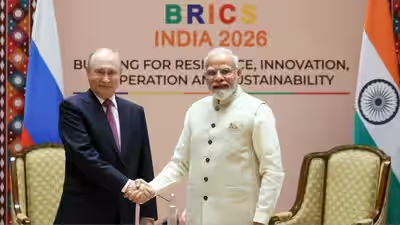
Defence discussions are part of the wider agenda during Putin's three-day stay. Prime Minister Narendra Modi said after meeting Putin that the two sides discussed trade, infrastructure, energy, technology and defence.
Russia pushes Su-57 joint production
The Su-57 has emerged as one of Moscow's major proposals for India's fighter aircraft requirements. Russia is offering joint production, along with a broader package that India is seeking as it evaluates options for strengthening its combat aircraft fleet.
India has previously indicated that it is not interested in acquiring the US-made F-35 fighter. At the same time, the country's indigenous Advanced Medium Combat Aircraft (AMCA) programme is still years away, with its first flight not expected before 2029-30, according to the report.
The situation has added urgency to India's fighter aircraft requirements. The Indian Air Force has 29 operational fighter squadrons, below the level considered necessary for its long-term requirements.
India has been examining the Su-57 option but is seeking a more comprehensive arrangement from Moscow. Its requirements reportedly include substantial technology transfer, a missile package and production opportunities in India.
Russian state-owned news agency Sputnik's India chapter described the Su-57 as a potential natural choice for India, pointing to the limited number of countries with fifth-generation stealth fighter technology.
$11 billion Super Sukhoi programme
Another major proposal concerns India's Su-30MKI fleet, which consists of nearly 260 aircraft.
India is discussing a large-scale modernisation programme that would initially cover 84 fighters. The estimated $11 billion Super Sukhoi project is expected to involve new active electronically scanned array (AESA) radars, updated avionics, improved electronic warfare capabilities and new engines.
The upgrade would extend the capabilities of one of the Indian Air Force's most important fighter fleets while adding newer sensors and electronic warfare technology.
Reports also indicate that India is looking at around 300 Russian R-37M air-to-air missiles. The missiles could either be acquired directly from Russia or potentially be produced domestically under future arrangements.
Moscow pitches S-500 and more S-400 systems
Russia is also expected to press India on additional air-defence acquisitions.
According to defence sources cited in the report, Moscow is likely to discuss more S-400 systems, Pantsir-S1M point-defence systems, radars and strategic submarines during the visit.
Russia has also been encouraging India to consider the S-500 air-defence system. The newer system is described as having a missile interception range of up to 600 km, compared with the reported 400-km range of the S-400.
For India's existing S-400 fleet, Russia is offering to establish a maintenance, repair and overhaul facility in India, potentially in partnership with an Indian company.
Defence cooperation remains central to Putin-Modi talks
The proposals underline the continued importance of defence cooperation in the India-Russia relationship even as both countries expand discussions into trade, energy, infrastructure and technology.
For India, the fighter aircraft proposals come as it works to address gaps in its combat fleet while developing the AMCA and expanding domestic defence manufacturing.
The Su-57 offer, Super Sukhoi modernisation programme, missile acquisitions and air-defence proposals therefore form part of a wider set of defence choices that New Delhi will need to assess on capability, technology transfer, domestic production and long-term strategic requirements.
Mumbai Weekly Staff
Editorial correspondent reporting on national and global stories for Mumbai Weekly.
More In India
View All India →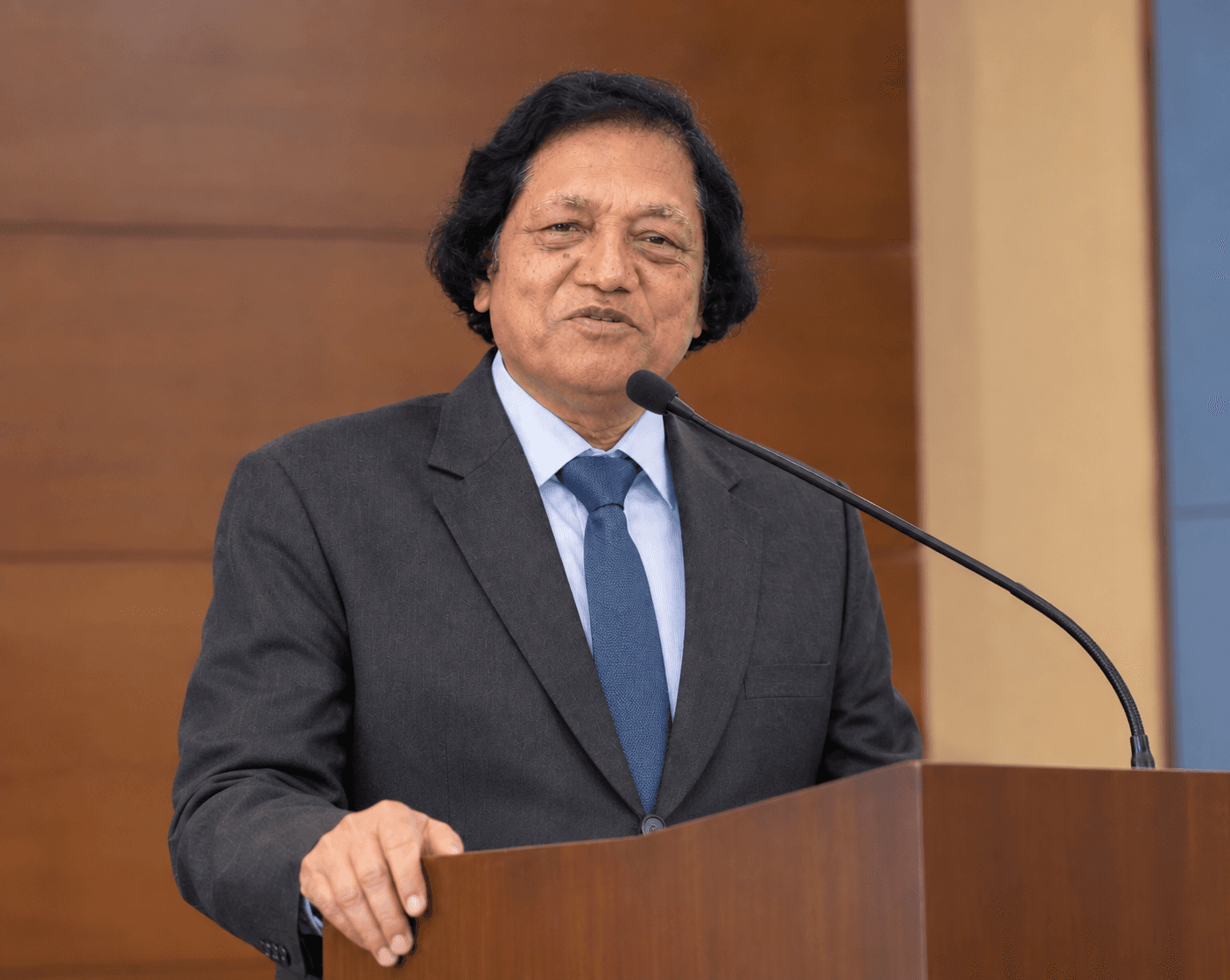
Prof. Dr. Arjun Chavan: A Scholarly Career Rooted in Hindi Literature and Research
After 38 years as a Professor and Head of the Hindi Department at Shivaji University, Kolhapur, Maharashtra, Prof. (Dr.) Arjun Chavan continues his literary work as an independent scholar and author. His career has covered Hindi literature, comparative literary studies, translation, research methodology, poetry, editing and academic research.