Surinder Koli Had Two IDs, Lived as ‘Sada Ram’ After Nithari Acquittal
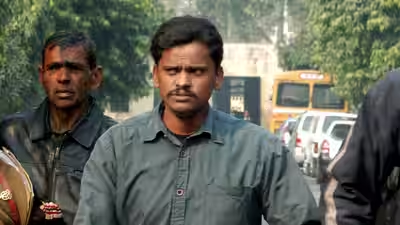
Surinder Koli, who was acquitted by the Supreme Court in the last of the Nithari cases, was found hanging inside a tea kiosk in Haridwar. Police recovered two identity documents, one bearing his real name and another identifying him as Sada Ram.
Key Takeaways
- Strategic developments align with India's long-term infrastructure and technology trajectory.
- Institutional market observers point to sustained corporate expansion and regulatory certainty.
Surinder Koli, who spent nearly 19 years in prison in connection with the Nithari killings before being acquitted by the Supreme Court, was found dead inside a tea kiosk in Haridwar on Friday. Police said they recovered two identity documents after his death, one bearing the name Surinder Koli and another carrying the name Sada Ram.
Koli, 53, had started running the tea kiosk only about five days before he was found hanging inside it. The kiosk was located in Haridwar, where police said many local residents knew him as Sada Ram.
Aadhaar card revealed Koli’s identity
According to police, Koli had used a voter ID carrying the name Sada Ram when he rented the kiosk for Rs 6,000 a month. His Aadhaar card, however, carried the name Surinder Koli and his previous Noida address.
Police said the Aadhaar card helped establish his identity after his death. No suicide note was found either on his person or inside the kiosk.
Haridwar Circle Officer Shishupal Singh Negi said the initial assessment indicated suicide, while a panel of doctors was expected to conduct the postmortem examination.
Before starting the tea business, Koli had worked briefly as a security guard in Haridwar's SIDCUL area. He reportedly left the job after his employer asked him to provide his Aadhaar card.
Koli's long legal battle in the Nithari case
Koli had been employed as a domestic help at the Noida residence of businessman Moninder Singh Pandher. He and Pandher were arrested on December 29, 2006, in connection with the Nithari killings.
Koli faced multiple death sentences during the lengthy legal proceedings. The Supreme Court acquitted him in the final case against him on November 11 last year. He walked out of Luksar Jail in Greater Noida two days later.
The acquittal followed nearly two decades of imprisonment and a series of legal proceedings involving 13 cases.
Activist raises questions over Koli's death
Narayan Singh Rawat, an Almora-based social activist who had supported Koli's family during the legal proceedings, said Koli had recently complained of harassment.
Rawat told TOI that he had lent Koli Rs 25,000 to help him start the tea kiosk. According to Rawat, Koli had complained during phone calls over the previous few days that people were demanding more money from him.
Rawat said Koli appeared disturbed and was struggling to find a solution. He also said he suspected that Koli's death could have involved foul play. His claim has not been established by police.
Koli's younger brother also told TOI that the family did not know what had led to his death. He said Koli had remained in regular contact with him by phone but had not discussed any problem.
Family circumstances after his release
Koli's family life had changed substantially during his years in prison. His wife began living with their children at a relative's home in Haryana after his arrest in 2006 and later remarried.
His daughter, who was in her 20s when Koli was released from prison last year, had also married. His mother died in 2022. Koli is survived by his daughter and a teenage son, according to the report.
His elder brother lives in Delhi, while his younger brother remains in Almora.
The circumstances surrounding Koli's death are now being examined by police, with the postmortem and investigation expected to provide further information.
Mumbai Weekly Staff
Editorial correspondent reporting on national and global stories for Mumbai Weekly.
More In India
View All India →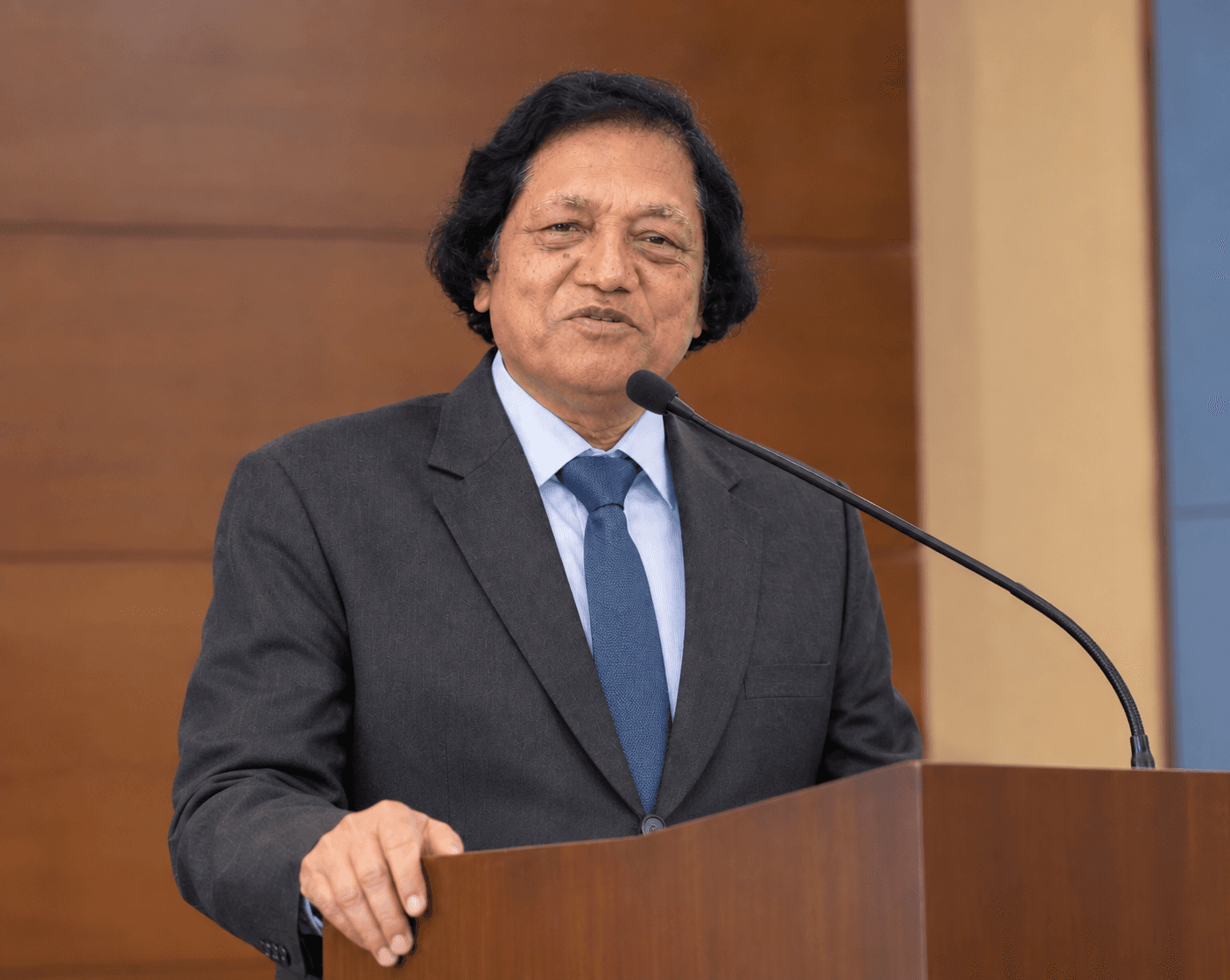
Prof. Dr. Arjun Chavan: A Scholarly Career Rooted in Hindi Literature and Research
After 38 years as a Professor and Head of the Hindi Department at Shivaji University, Kolhapur, Maharashtra, Prof. (Dr.) Arjun Chavan continues his literary work as an independent scholar and author. His career has covered Hindi literature, comparative literary studies, translation, research methodology, poetry, editing and academic research.