UPI Charges From October 15: New MDR Rules Explained
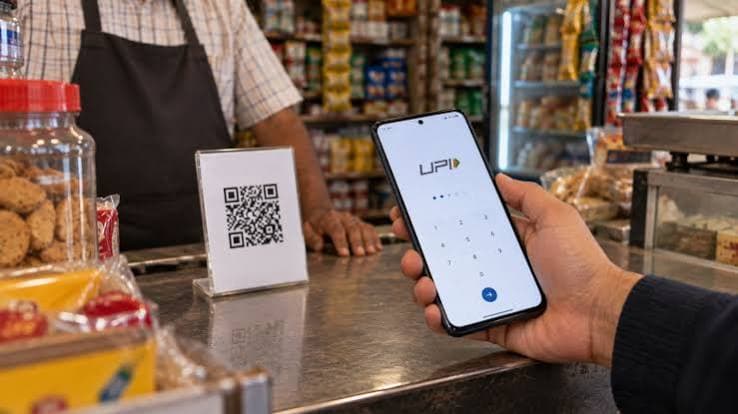
NPCI will introduce a revised MDR structure for selected UPI merchant payments from October 15. Eligible transactions above Rs 2,000 will attract a 0.4% MDR, capped at Rs 300, while certain sectors will have a fixed Rs 5 charge. The MDR will be paid by merchants, with several types of UPI payments remaining free.
Key Takeaways
- Strategic developments align with India's long-term infrastructure and technology trajectory.
- Institutional market observers point to sustained corporate expansion and regulatory certainty.
India's UPI payment system is set for a new Merchant Discount Rate (MDR) structure from October 15, but the changes will not mean a blanket charge for people using UPI.
The National Payments Corporation of India (NPCI) has announced a 0.4% MDR on eligible UPI merchant transactions above Rs 2,000, with the charge capped at Rs 300 per transaction.
For certain services, including railway tickets, fuel, insurance and utility payments, a flat MDR of Rs 5 will apply instead.
The charges are designed to be borne by merchants. Banks have also been advised to ensure that merchants do not transfer the MDR to customers.
UPI payment categories at a glance
| Payment category | Amount | MDR from October 15 | Who bears the MDR? |
|---|---|---|---|
| Person-to-person transfers | Any amount | 0% | No charge |
| Merchant payments | Up to Rs 2,000 | 0% | No charge |
| Eligible merchant payments | Above Rs 2,000 | 0.4%, capped at Rs 300 | Merchant |
| Small P2PM merchants receiving up to Rs 1 lakh/month via UPI QR | Any eligible amount | 0% | No charge |
| Railway payments | Above Rs 2,000 | Flat Rs 5 | Merchant |
| Fuel purchases | Above Rs 2,000 | Flat Rs 5 | Merchant |
| Insurance premiums | Above Rs 2,000 | Flat Rs 5 | Merchant |
| Electricity, water and piped gas bills | Above Rs 2,000 | Flat Rs 5 | Merchant |
| Utility payments | Up to Rs 2,000 | 0% | No charge |
| Capital market payments | Eligible transactions | 0.02%, capped at Rs 300 | Merchant |
| UPI AutoPay and mandates | Recurring payments | 0% prescribed MDR | No charge |
| Education payments | Up to Rs 2,000 | 0% | No charge |
| Education payments | Above Rs 2,000 | Applicable industry-specific structure | Merchant |
Sending money to friends and family remains free
People will continue to be able to transfer money to other individuals through UPI without transaction charges.
This applies regardless of the amount being transferred. Person-to-person payments will remain outside the new MDR structure.
UPI AutoPay and other transactions made through UPI mandates will also remain free from the prescribed MDR.
This includes recurring payments such as OTT subscriptions, recurring investments and automated utility payments.
UPI payments up to Rs 2,000 remain free
Person-to-merchant UPI payments of up to Rs 2,000 will not attract MDR.
Small merchants also remain protected under the new arrangement. Merchants receiving up to Rs 1 lakh per month through UPI QR codes under the P2PM category will continue to receive payments without MDR.
The provision covers many small businesses, including neighbourhood stores and street vendors.
What happens to payments above Rs 2,000?
For eligible merchant transactions exceeding Rs 2,000, the standard MDR will be 0.4% of the transaction value, subject to a maximum of Rs 300.
For example, the MDR on an eligible payment of Rs 5,000 would work out to Rs 20, while a Rs 1 lakh transaction would reach the Rs 300 cap.
The actual financial impact on consumers will depend on whether merchants absorb the cost. According to the Finance Ministry, banks have been advised to ensure that merchants do not pass the MDR on to customers.
Rs 5 MDR for railway, fuel and insurance payments
Several sectors will not follow the standard 0.4% rate.
Eligible payments above Rs 2,000 involving railways, fuel purchases, insurance premiums and selected utility services will carry a fixed MDR of Rs 5.
For instance, an eligible railway ticket payment above Rs 2,000 will attract Rs 5 MDR rather than 0.4% of the ticket value.
Similarly, fuel payments above Rs 2,000 at petrol stations will have a Rs 5 MDR. Fuel payments below Rs 2,000 will continue to have zero MDR.
Insurance premiums above Rs 2,000 will also fall under the flat Rs 5 structure.
Electricity and water bill payments
Electricity bills, municipal water charges and piped natural gas payments above Rs 2,000 will be subject to the applicable Rs 5 industry-specific MDR.
Payments below Rs 2,000 will remain outside the MDR.
The separate structure means these utility payments will not be subject to the standard percentage-based rate.
Mutual funds and stock market payments
Capital market transactions will have a separate MDR structure.
Eligible UPI payments involving mutual funds, stockbrokers, securities dealers and other regulated capital market entities will attract 0.02% MDR, subject to a maximum of Rs 300.
This can apply to payments for equity purchases, debt investments, mutual funds and eligible broker-related transactions.
Education payments get separate treatment
Educational payments above Rs 2,000 will come under the designated industry programme and will be subject to its applicable fee structure.
Payments up to Rs 2,000 will remain free of MDR.
The category includes payments such as school and university fees and certain institutional examination charges.
What changes for ordinary UPI users?
For most everyday users, the key point is that UPI is not becoming a universally paid service.
Transfers between individuals remain free. Merchant payments up to Rs 2,000 remain free, while eligible small merchants continue to receive zero MDR. UPI AutoPay and recurring mandates are also outside the prescribed MDR.
The changes primarily introduce charges at the merchant end for selected higher-value transactions and specific categories.
The revised MDR framework will take effect from October 15.
Mumbai Weekly Staff
Editorial correspondent reporting on national and global stories for Mumbai Weekly.
More In India
View All India →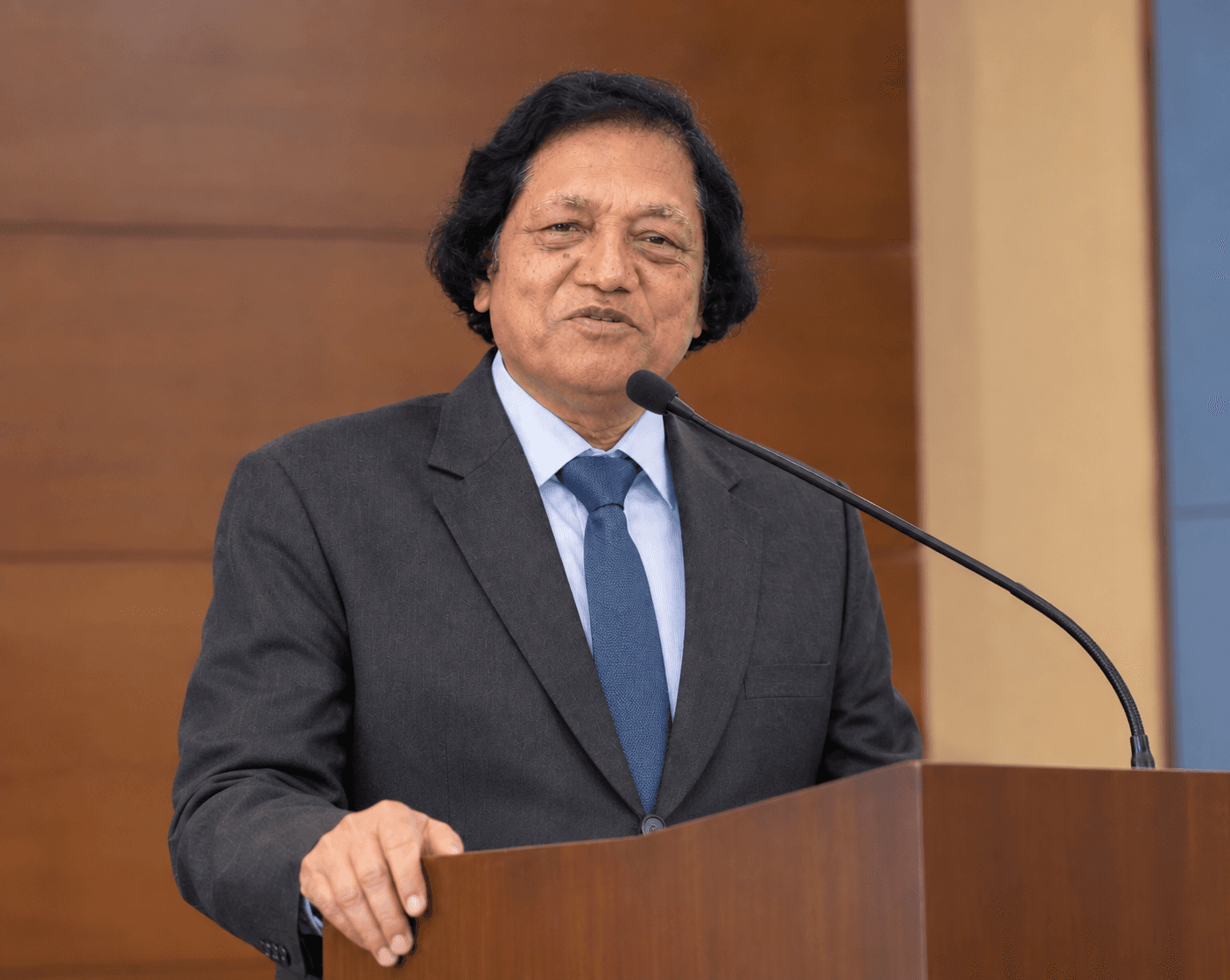
Prof. Dr. Arjun Chavan: A Scholarly Career Rooted in Hindi Literature and Research
After 38 years as a Professor and Head of the Hindi Department at Shivaji University, Kolhapur, Maharashtra, Prof. (Dr.) Arjun Chavan continues his literary work as an independent scholar and author. His career has covered Hindi literature, comparative literary studies, translation, research methodology, poetry, editing and academic research.